
Heavy Is the Head That Wears the Crown
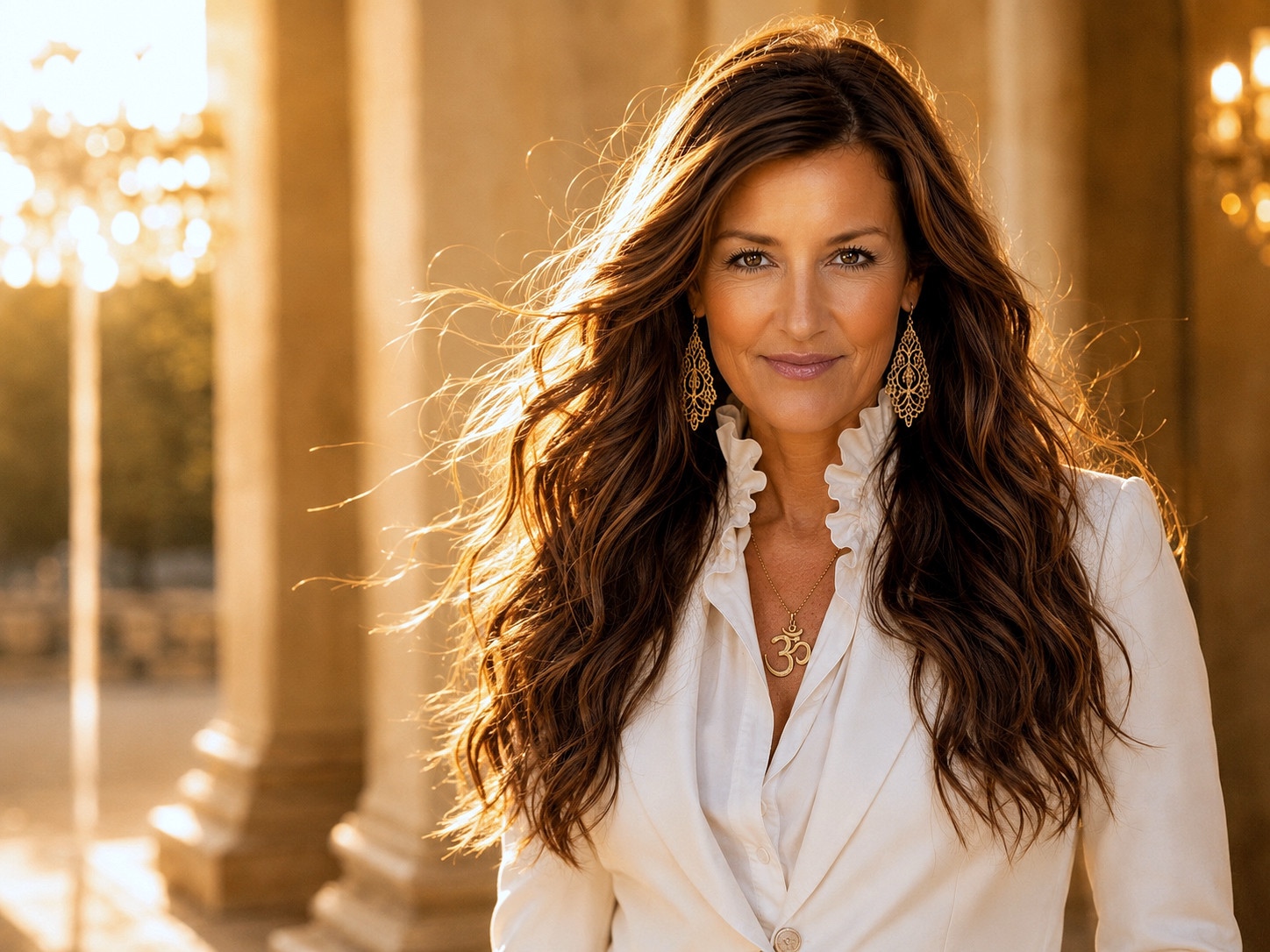
Written by Majken Lorelei Matzau
Words shaped by decades in the room with leaders – their struggles, their breakthroughs, and everything in between
Heavy Is the Head That Wears the Crown
Written by Majken Lorelei Matzau
Words shaped by decades in the room with leaders – their struggles, their breakthroughs, and everything in between
Heavy Is the Head That Wears the Crown
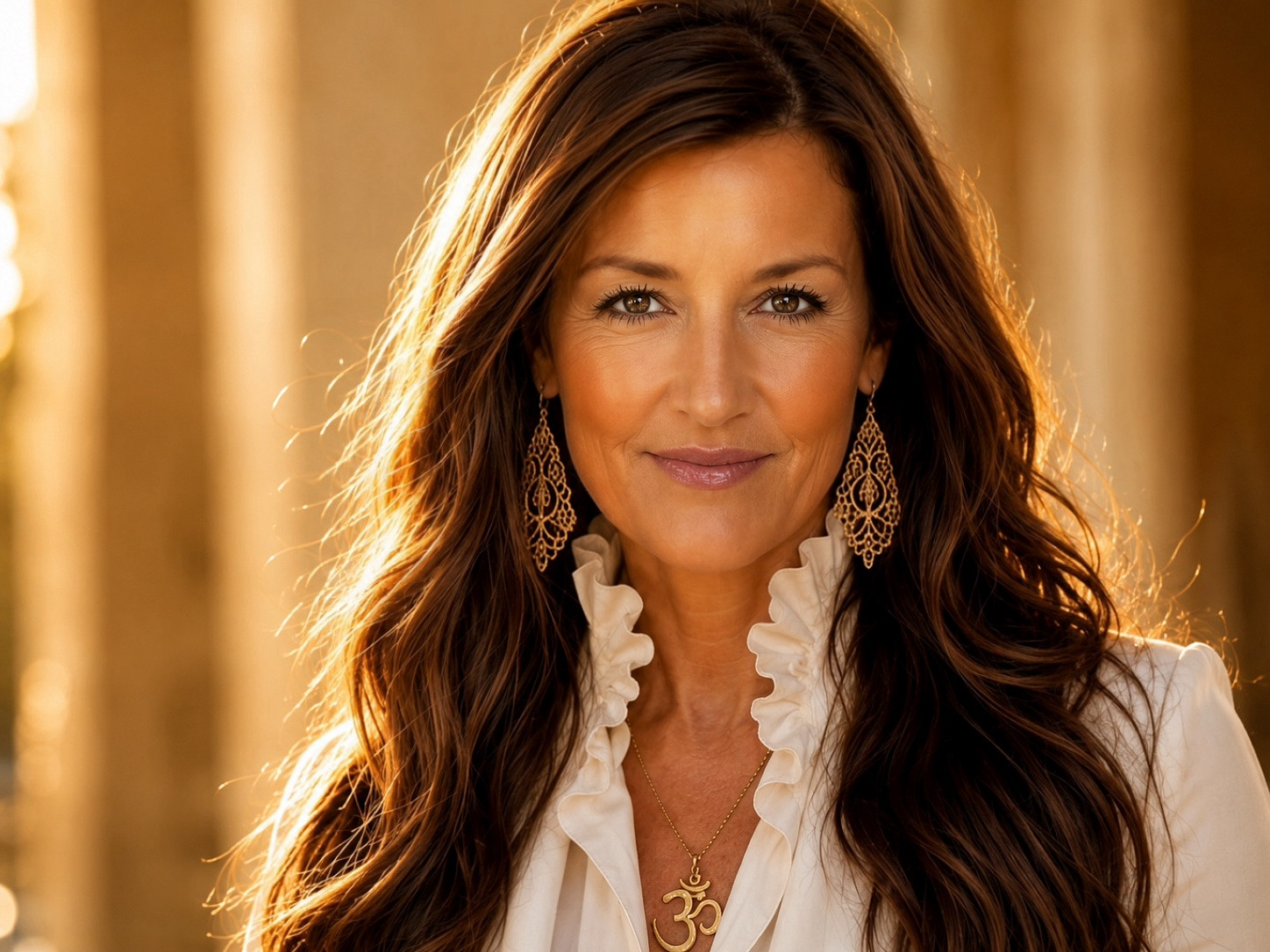
Author: Majken Lorelei Matzau
There is an old saying: "Heavy is the head that wears the crown." These words — from Shakespeare's Henry IV — still ring true. To stand at the head is to stand alone. There is a price for standing at the top.
From the outside, senior leadership can look like a privilege. We are bombarded daily with stories, articles, and documentaries about powerful leaders who seem almost larger than life — on paper. But behind closed doors, the reality can look quite different.
In my practice I meet both highly experienced senior executives and leaders stepping into the role of CEO for the first time. What they share is this: the CEO role is profoundly different from every other role on an executive team. Because senior leadership is a discipline in which a leader's courage to pursue self-insight, as a conscious practice, can be decisive for the success of the business.
Meet Peter — a lonely leader
Peter heads a large international company. His calendar is full months ahead, his phone burns in his pocket, and his decisions affect thousands of people. On paper he is powerful, privileged, and successful. But when the door to the corner office closes, he is alone, he tells me. Alone with his doubt. Alone with his thoughts. Alone with his responsibility.
The paradox of senior leadership
Research from Harvard Business Review shows that half of all CEOs experience loneliness in their role, and that this loneliness can significantly reduce performance. The loneliness usually creeps in without the leader noticing. You receive fewer honest challenges, fewer spaces for genuine sparring, and the executive team can easily become an echo chamber for the leader's own views.
The research also points to how senior leaders often end up caught in the "power paradox": the more power they gain, the less resistance they meet. They become less attentive to other perspectives and more inclined to interrupt, to talk more, and to miss the subtle signals from their people. Over time, their decisions get worse.
In senior leadership, we often see this effect amplified by the environment: employees who tell the leader what they want to hear, leaders who don't dare push back, and an organization that adapts itself to the leader's preferences.
The power paradox can be counteracted — and this is the conscious leader's task. It requires an active practice: creating channels for honest feedback, asking questions before giving answers, and deliberately stepping down from the pedestal and into the conversation.
This is also the medicine against the loneliness that so often accompanies the top position.
The conscious leader
Peter came to me for sparring on his leadership and to develop in the role of CEO. In our conversations it quickly became clear that no one on his executive team challenged him. The only person who did was his PA — not his leaders.
This left Peter in a leadership vacuum, where his intuition was constantly working overtime.
In the Executive process with me, he found a confidential space where he could turn over his most important decisions outside the political games of the organization, and be challenged on his leadership. But something more was needed to activate the knowledge and resources that in fact already existed within his leadership team.
In parallel, we therefore conducted a 360-degree assessment of Peter, involving both his leadership team and his board. We presented the results transparently to the executive team and to the board, where we facilitated a process focused on developing Peter's leadership. We then repeated the process with each of the leaders in their respective teams.
The result was five executive team members who not only strengthened their personal leadership, but also developed into a high-performing team where psychological safety was paramount, and where challenging one another respectfully became a firmly anchored value.
Inspired by this, Peter went on to implement a systematic feedback loop: quarterly pulse surveys from his leadership team and selected key employees.
And finally, Peter established a confidential development group made up of senior leaders from different companies, where we facilitated in-depth group coaching sessions four times a year.
Psychological safety in senior leadership
Where the power paradox shows how power can create a deafening silence, the research on psychological safety shows how we can open the room again. Professor Amy Edmondson of Harvard Business School has documented over two decades how a leadership team with high psychological safety performs significantly better — particularly in complex and changing environments.
In an executive team with psychological safety, the CFO dares to say: "I think we're overlooking a risk here." The HR director can challenge the CEO on the tone of a communication. The CMO can put a wild idea on the table without fear of ridicule. The result is higher collective intelligence: decisions become more considered, strategies more robust, and the organization more innovative and agile.
Peter describes today that he no longer experiences loneliness in the same way. Instead, he experiences being the spearhead of a top-professional leadership team, where complex strategies can be turned over and where people challenge one another — so that Peter, in the role of CEO, can make better and more reflective decisions.
Leadership research supports this practice: Herminia Ibarra (INSEAD) emphasizes that successful senior leaders continually "redesign their networks," so that they surround themselves not only with loyal supporters, but also with critical perspectives.
In the same way, Jim Collins (Good to Great) documents that the best senior leaders combine humility with professional will — and that they actively build systems that counteract the pitfalls of the ego.
The loneliness of senior leadership is real — but it can be transformed into a space for insight, reflection, and strength. With the right feedback systems, the leader can navigate the danger of being blinded by their own ego — and thus not merely bear the crown, but make it a symbol of clarity and direction.
When the leader masters standing alone without being isolated, seeking resistance without losing direction, and taking responsibility without burning out — then the crown becomes not a burden, but a powerful and luminous guiding star in a complex and changing world.

Want to read more like this?
Sign up for my newsletter, and I'll send new articles straight to your inbox

Sign up for my
mailing list
And receive the following:
- The e-book "3 Stories from Majken Lorelei's work with Top Executives"
- VIP invitations to my events
- Exclusive insights, articles & new releases

Would you like to get in touch?
Contact me – I respond personally within 24 hours – never through an assistant
Contact Majken Lorelei
I respond personally within 24 hours – never through an assistant.