

Toxic Positivity
Written by Majken Lorelei Matzau
Words shaped by decades in the room with leaders – their struggles, their breakthroughs, and everything in between
Toxic Positivity
Written by Majken Lorelei Matzau
Words shaped by decades in the room with leaders – their struggles, their breakthroughs, and everything in between
Toxic Positivity
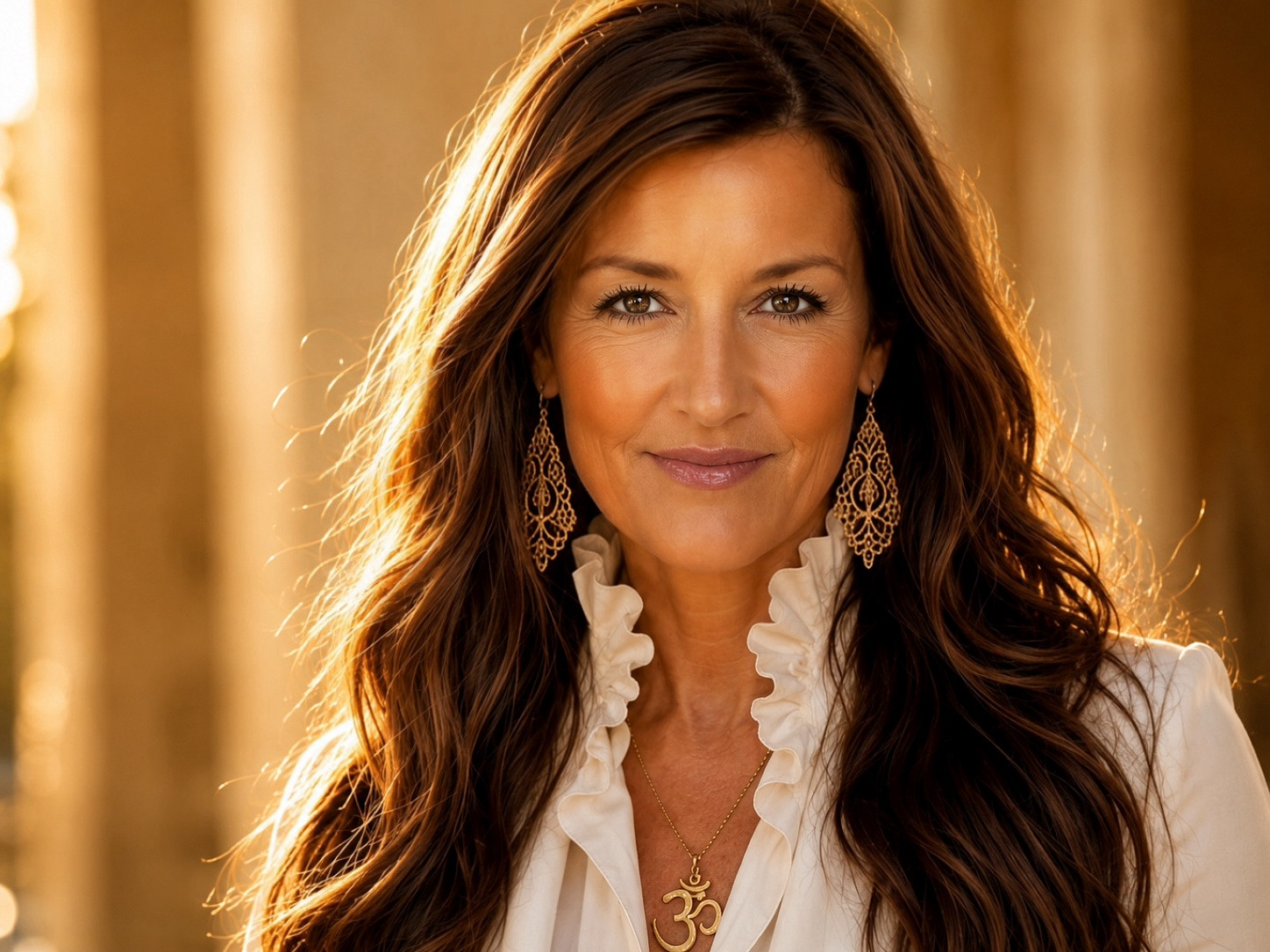
Author: Majken Lorelei Matzau
Sometimes words fall like feathers, light and without thought, but land like stones in a mind already carrying burdens heavier than the night.
"Everything happens for a reason," he said, as though the flames licking the sky above Los Angeles and burning all life to ash in their path were part of some greater, hidden plan. As though grief could be explained, and pain could be wrapped in silk ribbons of meaning.
Something turned in me. Because even though I myself believe, on a higher level, in the purpose of all things, it still felt like utter indifference toward the immeasurable suffering that came with the devastating fires in LA in January – a suffering that had also settled like a blanket of sorrow over my own heart.
Perhaps not everything holds a lesson or a destiny that justifies the tears that fall. Perhaps there is suffering that is simply suffering. Fires that are only fires. Losses that leave behind nothing but emptiness.
Toxic positivity is an attempt to paint a coal-black grief in pastel colors. A panic response to pain, an unconscious defense against the uncomfortable.
But in that attempt, we make the grieving person invisible. We silence the pain. We lay a filter over reality that obscures the only thing that truly matters: standing beside the one who suffers.
Toxic positivity as spiritual bypassing
When positivity becomes an escape from pain, it can turn into a form of spiritual bypassing. A superficial approach to the wounds of the soul, where we cover the pain with mantras about light and love instead of sitting with what hurts.
Spiritual bypassing is when we use spirituality as a shield against the raw, merciless realities of life. It is when we say, "Everything happens for a reason" or "The universe has a plan," instead of acknowledging that some things are simply cruel, and are experienced as unjust and meaningless. It is a strategy that can create distance rather than closeness, because the grieving person does not feel seen, but rather unheard.
But darkness cannot be driven away by closing your eyes and imagining the sun when you are in grief. The only thing that can truly bring relief is that we dare, on a human level, to stay in the night together – that we dare to meet the pain without judging it, without having to explain it away.
What can we say instead?
Perhaps we do not need to say anything at all. Perhaps the most important act is sometimes simply to be present – without filling the silence with empty words.
But if we do speak, let us speak with openness, from what is at bottom probably our own sense of powerlessness in the face of great catastrophe and loss:
"I don't know what to say, but I'm here."
"It's terrible, and it hurts. You don't have to find meaning in it."
"I'm not going anywhere. I'm listening."
Grief has no quick solutions. Pain cannot be fixed with a single sentence. But we can walk beside the grieving, hold their burden in our hands for a moment, and let them know they are not alone.
Because sometimes the only light we need is not the kind that blinds, but the kind that shines gently in the dark.

Want to read more like this?
Sign up for my newsletter, and I'll send new articles straight to your inbox

Sign up for my
mailing list
And receive the following:
- The e-book "3 Stories from Majken Lorelei's work with Top Executives"
- VIP invitations to my events
- Exclusive insights, articles & new releases

Would you like to get in touch?
Contact me – I respond personally within 24 hours – never through an assistant
Contact Majken Lorelei
I respond personally within 24 hours – never through an assistant.